
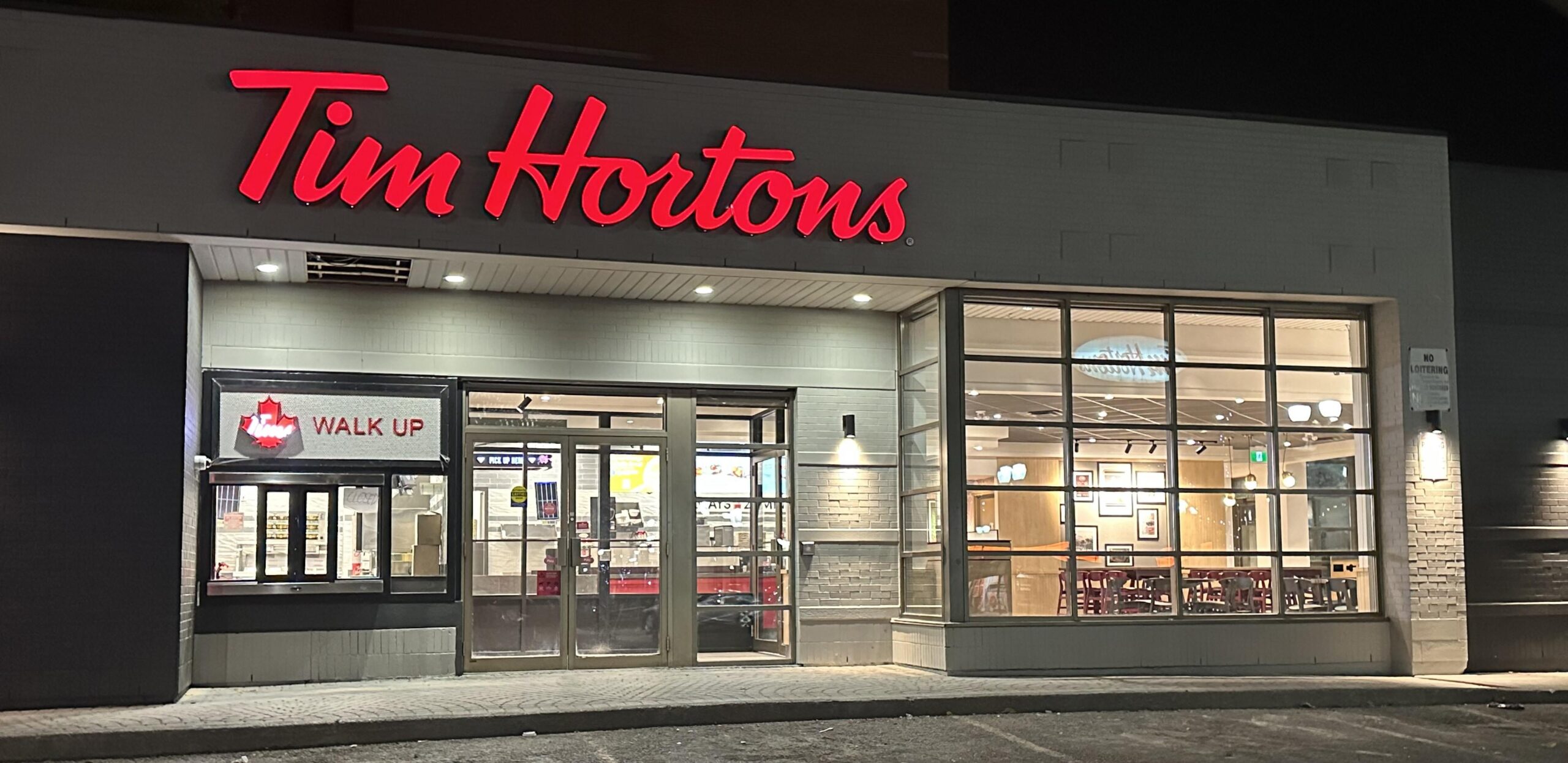
When it comes to donuts and coffee, few names carry the weight and recognition of Tim Hortons. Founded in 1964, this Canadian icon has grown into one of the largest quick-service restaurant brands in North America, with thousands of locations worldwide. Known for its coffee, donuts, breakfast sandwiches, and community-first identity, Tim Hortons is often seen as more than just a café — it’s part of daily life for millions of customers.
For investors, franchising with Tim Hortons offers both prestige and opportunity — but also comes with high entry requirements and strict operational standards. Here’s everything you need to know.
Brand Overview & Global Presence


- Founded: 1964 in Hamilton, Ontario, Canada
- Headquarters: Toronto, Canada
- Footprint: Thousands of outlets across Canada, U.S., and select international markets
- Core products: Coffee, donuts, baked goods, breakfast sandwiches, wraps, beverages
- Market identity: Affordable, everyday café option with strong customer loyalty
Tim Hortons dominates the Canadian market, often outpacing global coffee competitors. Its reputation as a national staple makes it one of the most recognized foodservice brands in the region.
Franchise Costs & Investment
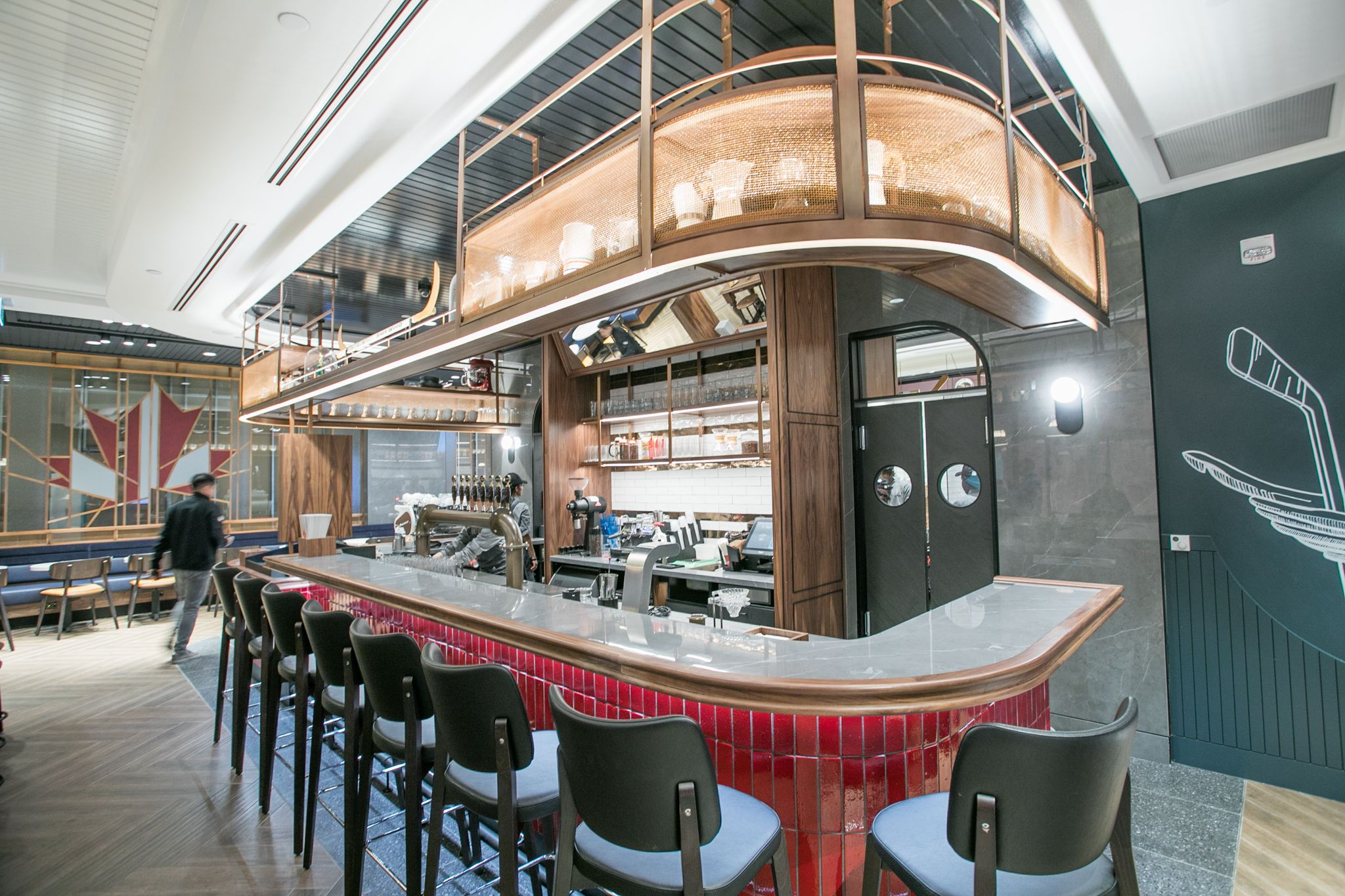

Tim Hortons is a high-investment franchise designed for well-capitalized operators. Here are the key financials:
| Category | Estimated Range | Notes |
|---|---|---|
| Franchise Fee | $25,000 – $50,000 | Grants rights to operate under Tim Hortons |
| Total Initial Investment | $680,900 – $1,906,300 | Standard shop formats (excluding real estate) |
| Alternative Estimate (newer models) | $971,000 – $1,717,500 | Based on updated design formats |
| Liquid Capital Required | $500,000 | Minimum accessible cash |
| Net Worth Requirement | $1,500,000 | Minimum net worth to qualify |
| Royalty Fee | 4.5% – 6% of gross sales | Ongoing brand support |
| Marketing Fee | ~4% of gross sales | Contributed to advertising fund |
What Tim Hortons Expects from Franchisees
Tim Hortons seeks franchise partners with strong financial capacity and proven operational discipline. Key requirements include:
- Hands-on involvement in operations (not suited for absentee ownership).
- Management and staff development skills to run a high-volume store.
- Community engagement — franchisees are encouraged to be active in their local area.
- Adherence to brand standards for menu, service, and store appearance.
Franchisees go through a rigorous approval process, including interviews, background checks, financial verification, and training before opening.
Strengths & Advantages
- Brand Power: Tim Hortons is a household name, especially in Canada.
- Diverse Menu: Coffee, donuts, breakfast, and baked goods create multiple revenue streams.
- Established Systems: Decades of franchising experience mean proven processes, supply chains, and training.
- Customer Loyalty: The brand enjoys a deeply loyal customer base across generations.
Risks & Challenges
- High Capital Requirement: Startup costs are steep, making it inaccessible for smaller investors.
- Operational Complexity: Running a Tim Hortons requires strong systems management and staffing.
- Tight Margins: Competition with other coffee and QSR brands can limit profitability in weaker locations.
- Territory Protection: Exclusive territories are not always guaranteed, and corporate outlets may compete nearby.
Strategic Fit
Tim Hortons is ideal for:
- Experienced foodservice operators with multi-unit ambitions.
- Investors with significant capital looking for a globally recognized brand.
- Entrepreneurs in Canada or established U.S. markets where Tim Hortons already has strong awareness.
For new investors or those seeking lower-cost entry points, other donut and café franchises (like Shipley Do-Nuts, Duck Donuts, or Simply Done Donuts) may provide more flexibility.
Conclusion: DonutFranchiseMaster.com Perspective
At DonutFranchiseMaster.com, powered by Star Brands Consulting Group, we evaluate global and regional donut brands to help entrepreneurs find the right fit.
Tim Hortons remains a prestige franchise opportunity — one of the biggest names in the donut and coffee sector. However, the high investment and operational demands mean it’s best suited to well-funded, experienced operators.
For those unable to meet the steep requirements, there are excellent alternatives in the donut franchise space that offer lower costs, simpler operations, and strong earning potential. Our consulting team can help you compare brands, model ROI, and guide you through franchise negotiations to ensure your investment is sound.
Leave a Reply